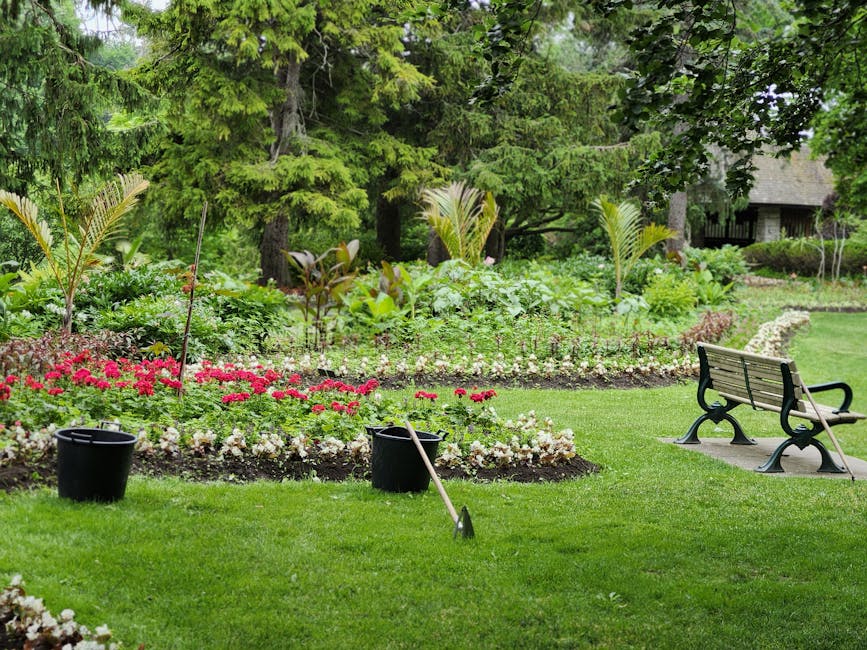
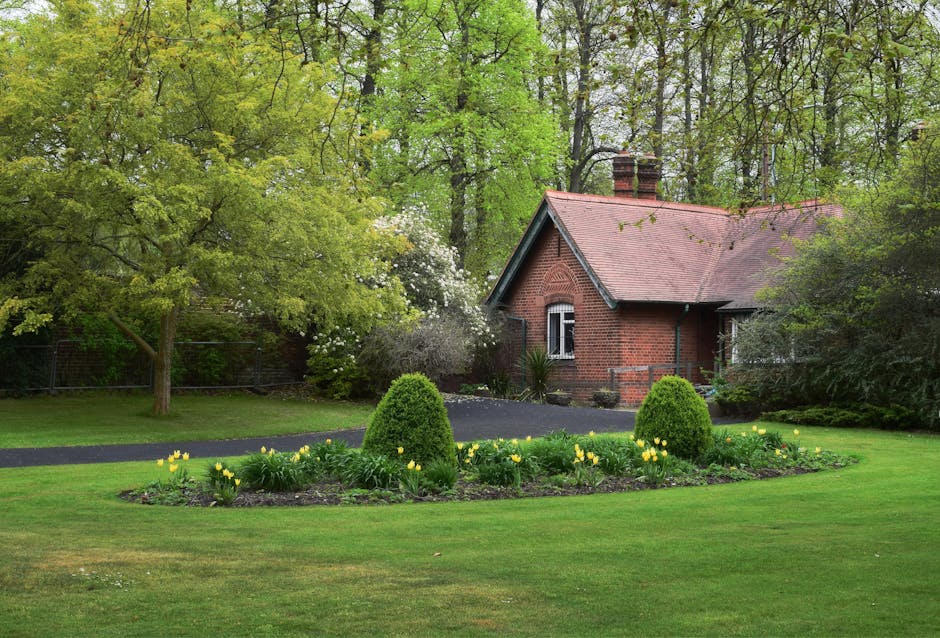
Local gardeners near Crofton Park station for front gardens
If you live near Crofton Park station and your front garden is looking a bit tired, cramped, or simply unfinished, you are not alone. Front gardens in this part of London do a lot of work: they frame the house, soften the street view, and handle everyday wear from foot traffic, weather, bins, bikes, and the occasional forgotten plant pot. Finding local gardeners near Crofton Park station for front gardens is often the simplest way to bring order, style, and low-maintenance structure back to the space without overcomplicating things.
This guide explains what local front-garden gardening services usually involve, how the process works, what to ask for, and how to avoid the common mistakes that waste time and money. It is written for homeowners, landlords, and anyone who wants a front garden that looks cared for from the pavement up. Truth be told, a well-kept front garden changes the whole mood of a property. You notice it on the way out. Neighbours notice it too.
Why local gardeners near Crofton Park station for front gardens matters
Front gardens are not just decorative. They are the first thing people see, and in a busy residential pocket near the station, they also have to cope with practical realities. Narrow plots, shade from nearby buildings or trees, dry edges beside paving, and patchy soil are all common. A local gardener understands those conditions far better than a one-size-fits-all approach ever could.
That local knowledge matters because front gardens need different thinking from back gardens. They usually need cleaner lines, tighter planting choices, and more attention to access, sightlines, and day-to-day upkeep. If a shrub grows too wide, it can quickly start swallowing the path. If the planting is too thirsty, it becomes a chore. If the layout feels awkward, the whole frontage can look cluttered even when it is technically tidy.
To be fair, many people start with a vague idea: "make it look nicer." Fair enough. But a good gardener will translate that into something usable. Maybe that means a simple planting refresh, maybe a new edging line, maybe dealing with weeds and leaving the structure in place. Sometimes the smallest change has the biggest effect. A neat front garden can make a compact terrace feel much calmer.
There is also the matter of local pace. When people search for gardeners nearby, they usually want someone who can visit quickly, understands the area, and can suggest plants or finishes that work in real London conditions. That is where a nearby team linked to practical gardening services becomes especially useful.
How local gardeners near Crofton Park station for front gardens works
The process is usually straightforward, though the best results come from a careful start. A local gardener will normally begin by looking at the front garden in context: the amount of light, the size of the plot, the condition of the soil, drainage, and how the space is used. Is it a purely decorative area? Does it need to cope with bins, bikes, or regular access to the house? Does the planting need to be low maintenance because nobody has much time during the week?
From there, the job is shaped around priorities. Some front gardens need a one-off tidy-up and replanting. Others need more ongoing care, especially if hedges, lawns, or beds have slipped behind. In many cases, the most useful starting point is a simple maintenance plan. If the structure is already good, a targeted visit can make a very visible difference.
Here is how the work often unfolds:
- Initial visit and assessment: A gardener checks what is working, what is not, and what should be preserved.
- Clearance and reset: Weeds, dead growth, broken edging, and surface debris are removed first.
- Pruning or shaping: Shrubs, hedges, and small trees are cut back to a sensible size and shape.
- Soil and planting improvements: Compost, mulch, or new plants are introduced if the design needs it.
- Finishing touches: Edges are defined, paths cleaned, and the garden is left looking intentional rather than just "done."
If the frontage includes a hedge, overgrown shrub line, or boundary planting, it may make sense to combine the work with hedge trimming in Crofton Park. A clean hedge line often makes the whole front garden feel sharper immediately.
And yes, the best local gardeners will usually recommend a design that suits maintenance reality, not just a nice photo in summer. That is the difference between a garden that looks lovely for two weeks and one that keeps behaving itself all year.
Key benefits and practical advantages
A well-planned front garden does more than improve the view from the street. It makes daily life easier. That sounds modest, but it is true. When the layout is sensible, the front of the house feels less cluttered, tidier, and more welcoming. You do not trip over awkward overgrowth. You do not fight the same weeds every Saturday. You do not keep wondering why the place feels slightly unfinished.
Here are the main benefits people usually notice:
- Better kerb appeal: The house looks cared for and balanced from the pavement.
- Lower maintenance stress: Proper planting and edging reduce ongoing hassle.
- Improved structure: The space starts to feel intentional rather than random.
- Healthier planting: Matching plants to light and soil improves survival and appearance.
- More usable access: Paths, gates, and entrances stay clear and practical.
- Better seasonal interest: The garden can look good across more than one season, not just in peak summer.
A front garden can also support wider goals. A bit of greenery softens hard brick or render, helps with biodiversity, and can make a compact home feel less exposed. If you want ideas for planting that works hard without becoming a chore, the article on ground cover plants is a handy place to start. Ground cover is often underrated. It helps cover bare soil, reduce weeds, and create a softer finish.
For shaded frontage, evergreen structure can be especially useful. A front garden that stays green through winter feels less stark on a grey January morning. If you are dealing with a north-facing or partially shaded spot, the guide to evergreen climbers for shade offers some practical inspiration.
Who this is for and when it makes sense
This kind of service is a good fit for a lot of people, not just those with large gardens. In fact, small front gardens often benefit the most because every square metre matters. A slight improvement can make the whole frontage feel more polished.
You may want local help if you are:
- a homeowner preparing to refresh a tired entrance;
- a landlord keeping the property presentable between tenancies;
- someone who has inherited an overgrown front garden and does not know where to start;
- a busy household that wants a better look without weekly maintenance battles;
- someone planning to sell and needing the exterior to make a stronger first impression;
- an older resident or busy professional who prefers reliable help with the heavy work.
It also makes sense when a front garden has a few specific issues: weeds have taken over, the hedge is too tall, the lawn has thinned out, or the planting just looks mismatched. A lot of people wait until things feel embarrassing. No need, really. Garden problems are easier to solve earlier, before they snowball.
If your space has become genuinely unruly, you may find it helpful to read about bringing an overgrown garden back under control. That kind of reset is often the first stage before any design work begins.
Step-by-step guidance
If you want the best result from local gardeners near Crofton Park station, a little preparation goes a long way. You do not need a perfect brief. You just need enough clarity to help the gardener work efficiently and suggest the right approach.
- Walk the space and notice the pain points. Is it weeds, bare patches, messy edges, poor drainage, or just a lack of shape?
- Decide the priority. Are you aiming for low maintenance, a more decorative look, better privacy, or all three?
- Set a realistic budget. A front garden refresh can range from a simple tidy to a deeper redesign, so be honest about your limit.
- Ask about maintenance frequency. Some gardens only need seasonal visits; others need a more regular pattern.
- Choose the right treatment for the space. Lawn care, hedge work, planting, or landscaping should be matched to the actual condition of the garden.
- Review the finish. A good job should look neat, but it should also be practical to maintain.
Here is a useful rule of thumb: if you cannot describe the front garden in one sentence, it may be trying to do too many things. Strip it back. Then build up the useful parts again.
For many homes, a combination of tidy borders, a defined path edge, and reliable low-growing planting is enough. If you want a calmer front garden with less visual noise, the ideas in achieving a beautiful garden with minimal effort can help you think more clearly about simplicity as a design choice, not a compromise.
Expert tips for better results
Small front gardens reward restraint. That is probably the most useful thing to remember. People often want to pack in too much: too many colours, too many plant types, too many decorative features. Before long, the space is busy but not better.
Here are the tips that make a real difference:
- Use repetition. Repeating two or three plant types usually looks tidier than using ten different ones.
- Think in layers. Ground cover, mid-height planting, and a controlled vertical element create depth without clutter.
- Keep the front line disciplined. Anything close to paths or steps should be trimmed with more care than back-of-garden planting.
- Match plants to the direction your frontage faces. Shade-loving plants in shade, tougher plants in exposed spots. Obvious, but often ignored.
- Use mulch or gravel carefully. These can cut down on weeds and improve finish, though they should suit the style of the house.
- Don't ignore seasonal pruning. A garden can look fine in spring and then go wild by August if no one keeps on top of it.
One practical local trick: if the front garden is wind-exposed, choose planting that will not flop over after the first strong blow. The guide on managing wind impact in the garden gives a sense of how to think about resilience, not just appearance.
Also, if you want biodiversity without creating a maintenance monster, use plants that fill space well and suppress weeds naturally. That is a smart use of time, and it often looks more polished too. Handy, that.
Common mistakes to avoid
There are a few front-garden mistakes that show up again and again. The good news is they are easy to avoid once you know what to look for.
- Choosing plants only for looks: If a plant cannot handle the light, soil, or exposure, it will quickly become a problem.
- Letting hedges grow without a plan: A hedge that is not shaped regularly often becomes too wide, too tall, or both.
- Using too many materials: Mixing lots of finishes can make a small frontage feel messy.
- Ignoring access: Bins, gates, meters, and steps still need to be easy to use.
- Skipping soil improvement: Even a neat planting scheme struggles if the soil is poor and nothing is done about it.
- Overdesigning a small space: Tiny gardens often look best when the layout is crisp and uncomplicated.
There is also the classic "I'll sort the weeds next weekend" trap. We have all done it. Then it rains, and the weeds have another opinion. If weed pressure is one of your main issues, the article on weed control tips is useful because it focuses on practical prevention as much as removal.
Another trap is picking a plant because it looked brilliant in a pot at the garden centre. Very normal. But front gardens need plants that can perform over time, not just for one sunny afternoon.
Tools, resources and recommendations
You do not need every gadget under the sun to improve a front garden, but a few good tools make work faster, cleaner, and safer. A reliable local gardener will usually arrive with the basics covered, yet it helps to know what is typically useful.
| Tool or resource | Why it helps | Best use in a front garden |
|---|---|---|
| Secateurs and loppers | Clean pruning and shaping | Hedges, shrubs, and overgrown stems |
| Spade and hand fork | Planting and soil work | Border refreshes, edging, and replanting |
| Weed removal tools | Better clearance around paths and beds | Between pavers, borders, and gravel areas |
| Mulch or compost | Improves moisture retention and soil health | Planting beds and tree bases |
| Lightweight edging materials | Defines the front boundary visually | Small beds, narrow borders, and path edges |
For people who want more structure without losing planting interest, container displays can be a smart addition by the entrance. They are especially handy where soil is poor or space is tight. You can explore the practical side of that in container gardening ideas.
If your front garden includes useful utility areas, garden furniture, or a place where people pause at the entrance, it may be worth thinking beyond plants alone. A decent arrangement around the front door or path can make the whole property feel more welcoming. The advice in creating comfortable garden seating spots is more back-garden focused, but the principle is the same: design the space around how you actually use it.
And yes, if the job gets bigger than expected, a proper garden company should be able to explain the right mix of garden maintenance, planting, and light landscaping rather than forcing one approach everywhere.
Law, compliance, standards, and best practice
Front gardens are usually straightforward, but there are still sensible standards to follow. In a shared street environment, your work should not create hazards, block access, or cause avoidable mess to neighbours. That means keeping paths clear, managing green waste responsibly, and handling any cutting or clearing with care.
If trees, large shrubs, or boundary plants are involved, a careful approach matters. Some properties have shared boundaries, and it is worth checking ownership or discussing plans politely before cutting back something that may belong to both sides. No drama needed. Just a quick conversation can save a headache later.
Best practice usually includes:
- working safely around steps, paths, and entrances;
- disposing of waste properly;
- using suitable tools for the task rather than forcing a shortcut;
- avoiding overcutting plants during nesting season or other sensitive periods where it may be relevant;
- being careful with access if the property is near busy pedestrian routes.
For homeowners who want reassurance about the company behind the work, it is sensible to review pages such as health and safety policy, insurance and safety information, and terms and conditions. These are not exciting reads, granted, but they do tell you a lot about how seriously a team takes the job.
Payment handling and clear quote terms matter too. A trustworthy service should make the process understandable from the start, so you are not guessing what is included. If anything feels vague, ask. Clear is kind. It saves everyone time.
Options, methods, and comparison table
Not every front garden needs a full redesign. In many cases, a simpler approach is better. The right option depends on the condition of the garden, your time, and the look you want. Here is a practical comparison.
| Approach | Best for | Pros | Watch-outs |
|---|---|---|---|
| One-off tidy-up | Overgrown or neglected front gardens | Fast improvement, lower upfront effort | May need follow-up visits to keep it looking sharp |
| Seasonal maintenance | Gardens that are mostly in shape already | Good balance of cost and results | Needs consistency across the year |
| Planting refresh | Bare, dull, or mismatched borders | Strong visual lift, better seasonal interest | Plant choice must match local conditions |
| Low-maintenance redesign | Busy households or landlords | Less ongoing work, cleaner layout | Initial planning matters more |
| Full landscaping touch-up | Frontages needing structure, edging, or layout changes | Most transformative outcome | More time and budget required |
For a lot of Crofton Park homes, the best answer is not dramatic at all. It is a tidy, well-structured mix of maintenance and modest planting. If lawns are part of the picture, combining the visit with lawn care or lawn mowing can create a more complete finish.
And if the front boundary is part of the problem - a sagging panel, an awkward gap, a tired old fence - then it may be worth looking at fencing options as part of the wider improvement rather than treating the garden in isolation.
Case study or real-world example
Here is a realistic example based on a common type of project. A small front garden near the station has a narrow path, a patchy border, one tired shrub that has outgrown its space, and weeds pushing through the edges. Nothing dramatic. Just enough neglect to make the whole frontage feel flat.
The first visit focuses on clearance. The overgrown shrub is reduced to a shape that suits the plot, weeds are removed, and the path edges are cleaned so the entrance breathes a bit more. Then the soil is improved in the border and a small set of plants is added for year-round structure, with one or two seasonal touches for colour.
The result is not flashy, and that is the point. The garden now looks like someone cares for it. The entrance feels wider. The house looks more settled. The homeowner can keep it in shape without spending every weekend outside with secateurs and regret.
A few weeks later, the same space feels even better because the planting has started to settle. That early evening light hits the leaves and the border no longer looks empty. It looks intentional. A tiny thing, maybe. But these tiny things add up.
If you are starting from a neglected space rather than a tidy one, the article on helpful gardening basics for beginners can also make the process feel less intimidating. There is no prize for doing everything at once.
Practical checklist
Use this checklist before booking or during your first conversation with a gardener. It will save time and help you get a more accurate result.
- Identify the biggest issue: weeds, overgrowth, poor planting, or awkward layout.
- Measure the approximate front garden area or take clear photos.
- Decide whether you want tidy-up, planting, maintenance, or a full refresh.
- Check whether the space is sunny, shaded, or exposed to wind.
- Note any access issues, such as narrow paths, steps, or side gates.
- Think about how much upkeep you realistically want each month.
- Ask about waste removal and what is included in the quote.
- Confirm whether hedges, lawns, or borders need separate attention.
- Look for a service that explains its process clearly.
- Keep the end goal simple enough to maintain.
A quick aside: if you only have five minutes to spare before work, stand outside and look at the garden from the pavement. That viewpoint tells you a lot. It is the one everybody else gets.
Get a free quote today and see how much you can save.
Conclusion
Local gardeners near Crofton Park station for front gardens are not just about making things prettier. They help turn a small, exposed, easily neglected space into something tidy, welcoming, and manageable. That matters whether you are staying for years or preparing the property for the market. It matters when you want less weekend stress. It matters when you want the front of the house to feel like part of the home again.
The best results usually come from simple, local, practical decisions: choose plants that suit the site, keep the structure clean, and avoid overcomplicating the design. If you take nothing else from this guide, take this: a front garden does not need to be grand to make a strong impression. It just needs to be coherent.
If you are ready to explore options, start with an honest look at what the space needs, then speak to a local team that understands the area and the way London front gardens actually live. Small steps can transform the whole feel of the house. And that is a pretty good return for a modest patch of green.
Frequently Asked Questions
What do local gardeners near Crofton Park station for front gardens usually do?
They typically handle front-garden tidy-ups, hedge and shrub trimming, weeding, planting, lawn care, edging, and small layout improvements. Some also provide ongoing maintenance so the frontage stays neat after the initial work.
Is a front garden service better than a general garden tidy?
Often, yes. Front gardens need a more detail-focused approach because they are highly visible and usually smaller. A service that understands front-garden design will pay more attention to shape, access, and kerb appeal.
How often should a front garden be maintained?
That depends on planting density, lawn use, and how quickly things grow. Some front gardens only need seasonal care, while others benefit from monthly or bi-monthly visits. A local gardener can usually recommend a sensible rhythm after one assessment.
Can a small front garden still look impressive?
Absolutely. In fact, small front gardens often respond best to strong structure, repetition, and a limited plant palette. A tidy border, crisp edging, and one or two well-chosen focal points can make a compact space feel much more polished.
What if my front garden is very overgrown?
That is usually fine. A good first step is a clearance and reset rather than jumping straight into planting. Once the space is under control, the gardener can reshape shrubs, improve the soil, and suggest a more manageable layout.
Do front gardens need low-maintenance planting?
Not always, but low-maintenance planting is often a smart choice, especially for busy households. It reduces ongoing work and helps the garden stay presentable without constant attention.
Will a gardener help with hedges and boundary plants too?
Yes, many will. Hedges are a major part of front-garden presentation, and keeping them trimmed properly can make a huge difference. If the hedge is a key feature, it is worth asking about shaping and ongoing hedge care.
How do I know if I need gardening or landscaping?
If the work is mostly cleaning, pruning, and planting, gardening is usually enough. If you need structural changes such as new borders, paths, levels, or fencing, then landscaping may be more appropriate.
What should I ask before booking a gardener?
Ask what is included, whether waste removal is covered, how they handle quotes, what maintenance they recommend, and whether they are insured. Clear answers at the start save confusion later.
Can front gardens help with kerb appeal if I want to sell?
Yes, they can make a strong difference. A neat, welcoming front garden creates a better first impression and can make the whole property feel more cared for, even before anyone steps inside.
Are there any safety concerns with front-garden work?
There can be. Paths, steps, pruning tools, and waste handling all need care. It is sensible to use a service that follows proper health and safety practices and works neatly around entrances and public-facing spaces.
How do I keep the front garden looking good after the job is done?
Keep the planting simple, trim regularly, remove weeds before they spread, and do a quick visual check from the pavement every so often. That outside view is surprisingly useful. It helps you spot what needs attention before it becomes a bigger job.
Where can I find more information about the company and its approach?
You can look through the site's about us page for background, then review practical information like pricing and quotes and contact details when you are ready to ask for help.